
We've detected you are outside the United States. Switch to our International site by clicking below


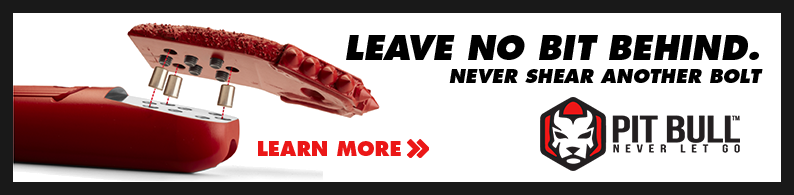
The bolt-on Fastream® Transmitter Housings are compatible with the Pit Bull™ feature and the Melfred Borzall patented FastBack® System. These tough-as-nails transmitter housings feature heat-treated alloy steel for maximum strength and durability. Keep everything tight and secure while in use with our double locking lid bolts. These transmitter housings are available in any Ditch Witch® or Vermeer® bolt pattern.
Product Features
- Precisely-placed lid slots for signal strength
- Heat-treated, alloy steel for maximum strength
- Large lid tabs to lock into place
- Newly-designed & more compact dual SuperNozzles
- Shock-absorbing internal rubber bumpers in sonde cavity
- Shock-absorbing rubber bumpers in lid
- Chunky hardfacing on high-wear areas
- Integrated supplemental MudBoostTM port for extra fluid flow
- LidLock roll pin keeps lid securely in place
- Pit Bull™ blade locking feature (bolt-on only)
- Enlarged water intake for enhanced SuperNozzle flow
- Engraved lid part number in sonde cavity
- Chamfered & Radiused edges for easy lid removal
- Press Release: Melfred Borzall introduces patent pending Pit Bull™ housing and blade design
- Press Release: FastBack® System
- Press Release: FastReam® Transmitter Housing®
- Article: Big Challenges bring Big Breakthroughs
- Article: When a Duck Bill Just Won't Cut It...
- Article: The Importance of Maintaining a Transmitter Housing
DRILLERS ALSO BOUGHT


FRED RECOMMENDED UPGRADE

